A Material Revolution
The construction and design industries are experiencing a shift toward engineered surfaces. Porcelain and sintered stone lead this revolution, offering performance characteristics that natural materials simply cannot match.
Performance Advantages
Scratch Resistance. Porcelain rates 7-8 on the Mohs hardness scale, compared to 3-4 for marble. Daily use does not leave marks.
UV Stability. Unlike natural stone, which can fade or yellow with sun exposure, porcelain maintains its color permanently. This makes it ideal for outdoor applications and sun-filled rooms.
Chemical Resistance. Porcelain resists acids, alkalis, and household chemicals without etching or staining. This is a significant advantage over marble, which etches from contact with citrus juice or vinegar.
Hygiene. The non-porous surface does not harbor bacteria, making it ideal for kitchens and bathrooms.
Sustainability
Porcelain production has become increasingly sustainable. Many manufacturers use recycled materials and closed-loop water systems. The longevity of porcelain (50+ year lifespan) means fewer replacements and less waste over time.
Design Innovation
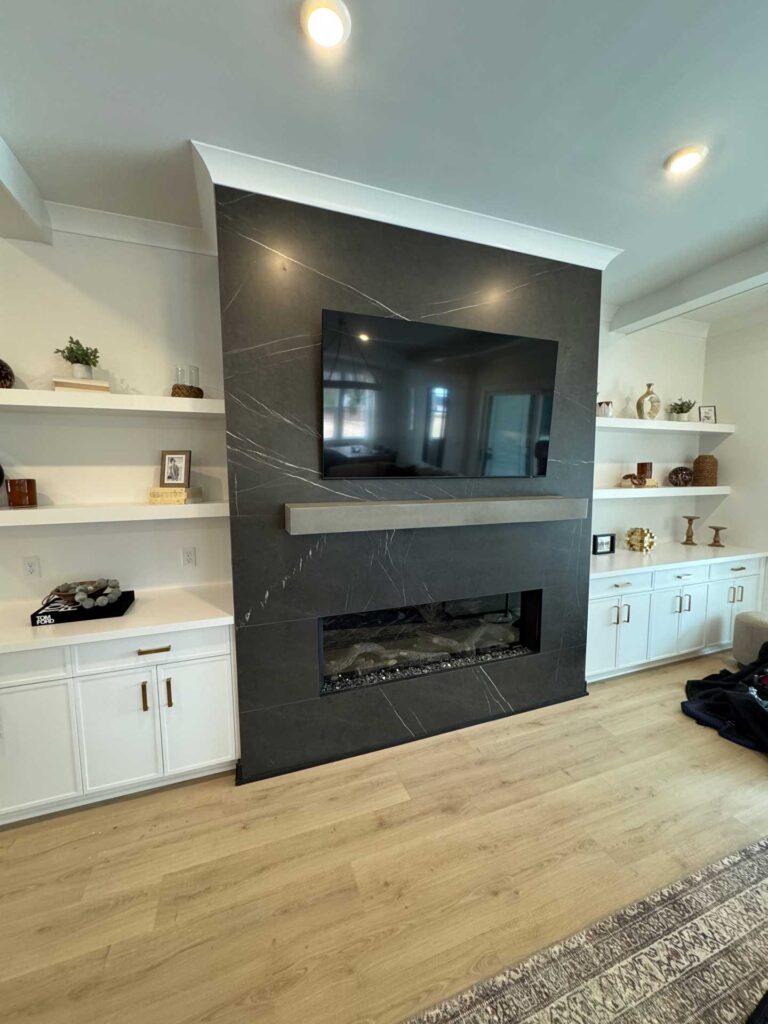
Digital printing technology allows porcelain to replicate any natural material with photographic accuracy. New textures, sizes, and thicknesses expand the range of applications from floors and walls to furniture, facades, and outdoor spaces.
Conclusion
Porcelain and sintered stone represent the future of surface design. Their combination of beauty, durability, and sustainability makes them the intelligent choice for any project.